
As parents and grandparents age, subtle changes can signal the need for additional support. Personal care at home allows seniors to remain in familiar surroundings while receiving help with daily activities that may have become difficult. Recognizing the signs early can prevent accidents, reduce stress, and protect your loved one’s dignity.
Aging is natural, but struggling alone is not necessary. When everyday routines start to feel overwhelming, consistent assistance can make a meaningful difference. Families who understand what to watch for are better prepared to take thoughtful action.
Unexplained Weight Loss or Poor Nutrition
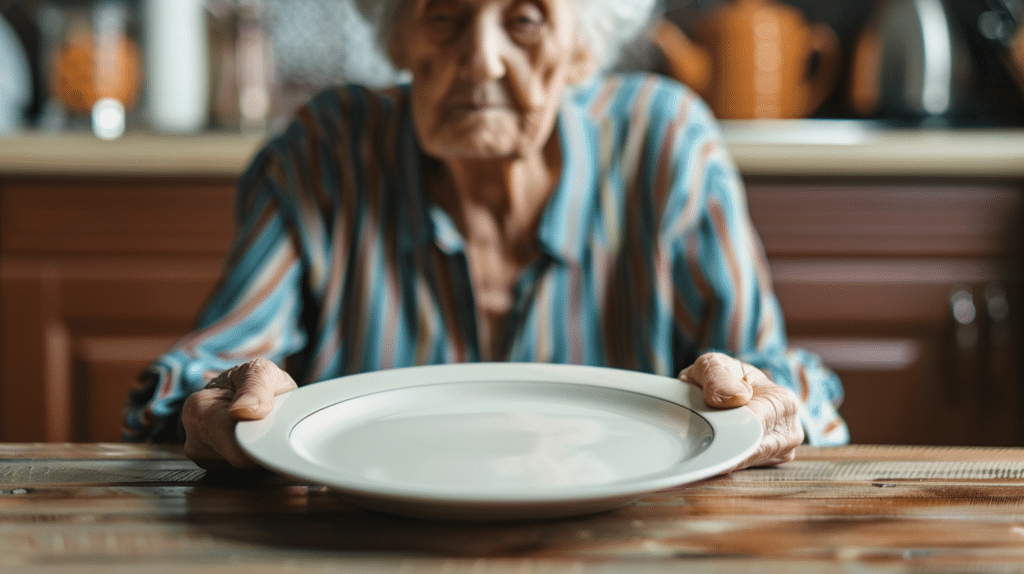
Take note if your loved one’s refrigerator is empty, filled with expired food, or lacking balanced options. Vision changes, fatigue, or cognitive decline can make grocery shopping and meal preparation difficult.
A noticeable drop in weight may suggest that meals are being skipped. Personal care at home often includes assistance with meal preparation and light housekeeping. Having help in the kitchen ensures that seniors receive nutritious meals without the stress of cooking alone.
Proper nutrition supports strength, energy, and overall health. Consistent meals also create structure in the day, which can improve mood and stability.
Changes in Personal Hygiene
One of the first signs that a senior may need personal care at home is a decline in hygiene. You may notice unwashed hair, body odor, or clothing that appears soiled. These changes are often not intentional. Bathing and grooming can become physically challenging due to mobility issues, joint pain, or balance concerns.
Bathrooms can also feel unsafe. Slippery surfaces increase the risk of falls, which may cause seniors to avoid bathing altogether. Professional caregivers can assist with bathing, grooming, dressing, and toileting in a respectful manner.
This support reduces fall risk while preserving privacy.
Maintaining good hygiene supports physical health and self-esteem. When seniors feel clean and well-dressed, they are more likely to engage socially and maintain confidence.
Difficulty with Mobility and Balance
Frequent stumbles, slow movement, or reliance on furniture for support may indicate that extra help is needed. Mobility challenges can make simple tasks like getting in and out of bed or navigating stairs unsafe.
Personal care services provide hands-on assistance with transfers and movement around the home. Caregivers can offer steady support while seniors walk, reducing the chance of falls. They can also help with positioning in bed or chairs to promote comfort.
Addressing mobility concerns early prevents injuries that could lead to hospitalization. Safe movement is a key part of maintaining independence at home.
Forgetfulness and Medication Concerns
Missing medications or taking incorrect doses can pose serious health risks. If pill bottles are scattered, refills are overdue, or your loved one seems confused about prescriptions, added support may be needed.
Caregivers can provide medication reminders and help organize daily schedules. This type of assistance does not replace medical oversight but offers practical daily reinforcement to keep routines on track.
Staying consistent with medications reduces complications and helps manage chronic conditions more effectively.
Changes in Mood or Behavior
Isolation, irritability, or sudden mood swings may signal that your loved one is feeling overwhelmed. Loss of independence can be frustrating. Seniors may hesitate to ask for help, fearing it means giving up control.
Companion support within personal care services brings steady interaction and encouragement. Conversation, shared activities, and assistance with daily tasks reduce feelings of loneliness.
When seniors feel supported rather than judged, they are more willing to accept help. Emotional well-being is closely tied to physical health, and consistent care addresses both.
Household Neglect
A once tidy home that becomes cluttered or unclean can indicate difficulty managing daily responsibilities. Laundry may pile up. Trash might not be taken out. Dishes could remain in the sink.
Light housekeeping assistance helps maintain a safe, organized environment. Clear walkways reduce fall risk, and a clean home supports overall health. Small details matter when it comes to safety.
Families often notice these changes during visits. Trust your observations. A shift in household upkeep may reflect deeper struggles with energy or mobility.
When to Have the Conversation
Talking about additional care can feel sensitive. Approach the discussion with empathy. Focus on safety and comfort rather than limitations. Emphasize that personal care at home supports independence rather than replacing it.
iCare Healthcare Services provides structured assistance tailored to each individual’s needs. Support can begin with a few hours a week and adjust over time as circumstances change. Early intervention often prevents emergencies.
Choosing care is about protecting dignity and maintaining quality of life. iCare Healthcare Services works alongside families to ensure seniors remain safe and respected in their own homes.
Recognizing the signs early allows your loved one to continue living comfortably with the right level of support.
If you or an aging loved one are considering personal care at home in West Allis, WI, contact the professional home care team at iCare Health Services. Call us today: (877) 430-1300